 Oe-Cusse, 31 October 2026 – The Cruz Vermelha de Timor-Leste (CVTL), in collaboration with the International Federation of Red Cross and Red Crescent Societies (IFRC), conducted a five-day training on Water, Sanitation and Hygiene (WASH) in Emergency Situations from 26 to 31 October 2026 at the CVTL Oe-Cusse Branch Office.
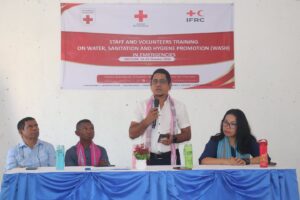 The training aimed to strengthen the knowledge and technical capacities of CVTL volunteers and staff in emergency WASH preparedness and response, enhancing their ability to prevent and respond effectively to emergencies and natural disasters. It also focused on ensuring that affected communities have access to safe drinking water, adequate sanitation, and proper hygiene services during emergencies.
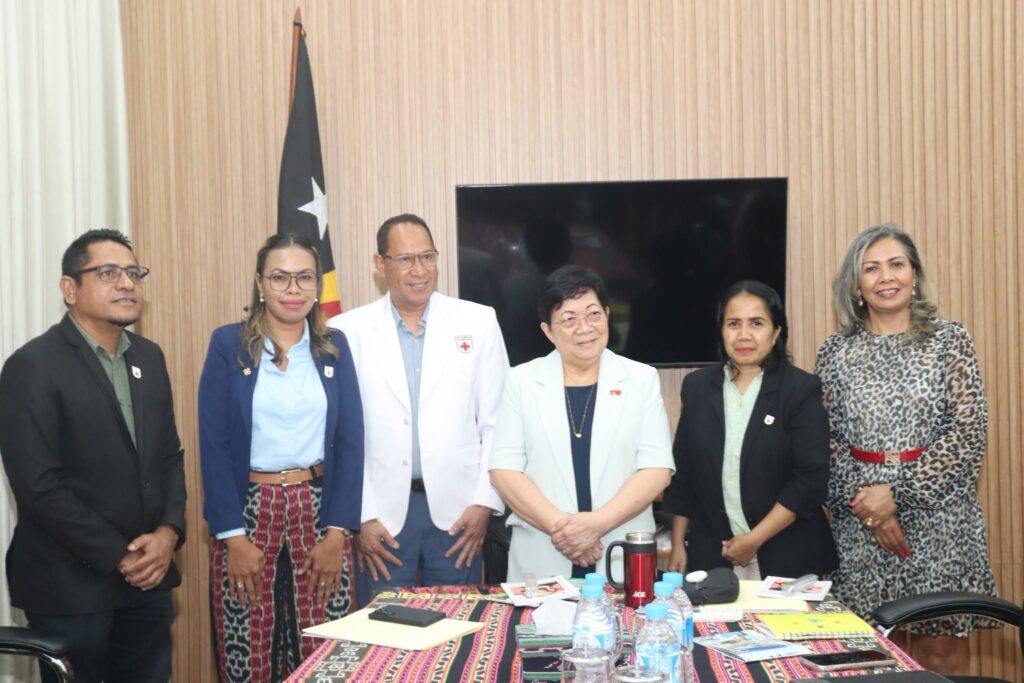
Speaking about the importance of the training, CVTL Secretary General, Mr. Agapito Da Silva, highlighted that strengthening the technical capacity of volunteers and staff is essential to ensuring an effective humanitarian response, particularly in providing safe water, sanitation, and hygiene services to communities affected by disasters.
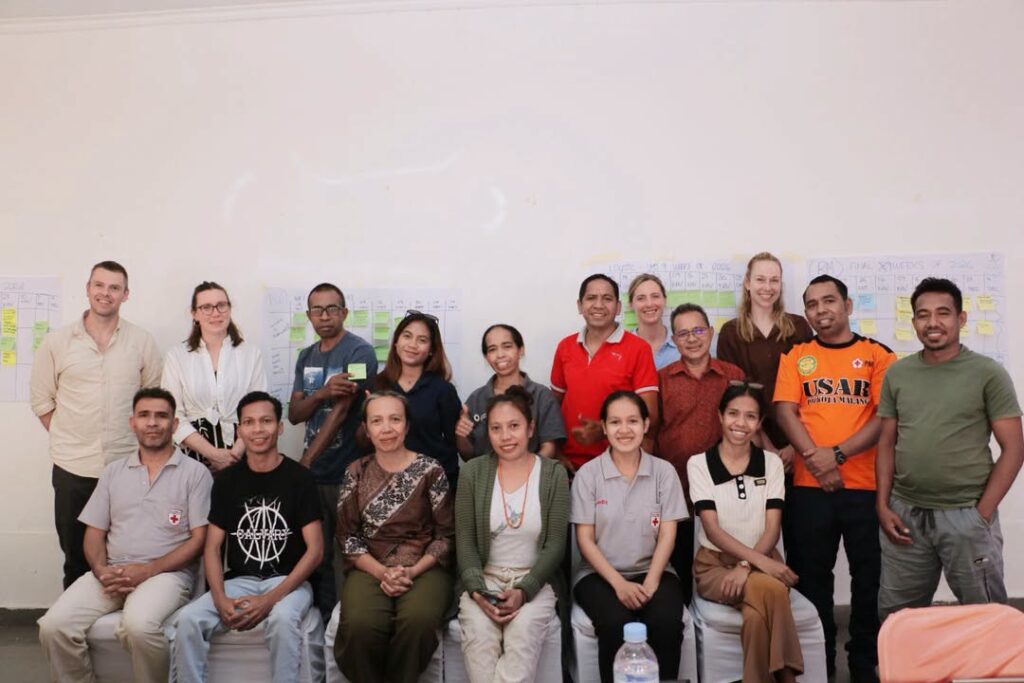
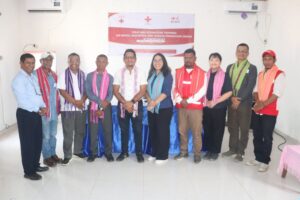
A total of 21 participants, including 3 women and 18 men, attended the training. They included representatives from CVTL Branch 13 and the Indonesian Red Cross (PMI) from Belu, North Central Timor (TTU), and Malaka. The training was facilitated by technical experts from the IFRC Asia-Pacific Regional Office (APRO) and the Indonesian Red Cross (PMI).
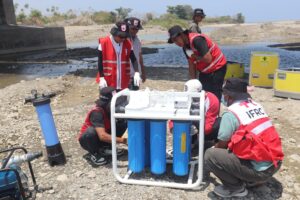
 Throughout the training, participants took part in both theoretical sessions and practical exercises to strengthen their understanding of emergency WASH interventions. One of the key practical activities involved operating water filtration equipment to treat river water, demonstrating how potentially unsafe water can be processed into clean and safer water for community use, particularly during emergency situations.
This training represents an important step in strengthening CVTL’s preparedness and response capacity in delivering essential WASH services to vulnerable communities during emergencies and natural disasters.
The activity was conducted in collaboration with the IFRC, with technical and financial support from the Japanese Red Cross Society (JRCS).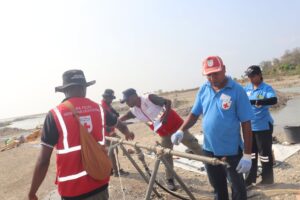
For more pictures click the link bellow: